“Ethiopian fine coffee beans” search results (700)

Ethiopian Coffee Flavor and Taste introduction of fine coffee beans in Ethiopian coffee producing areas
Coffee is Ethiopia's most important export cash crop and the main source of Ethiopia's foreign exchange earnings. Ethiopia's coffee exports account for about 3% of the world market, making it the eighth largest coffee exporter in the world. Coffee exports increased steadily from 58000 tons in 1990 to 110000 tons in 1995-1996 and remained at this level in the following years. 2001-2002
2016-07-29 Ethiopia coffee flavor taste introduction producing area boutique coffee beans
Ethiopian Coffee Flavor and Taste introduction of fine coffee beans in estates of Ethiopian coffee producing areas
Coffee is Ethiopia's most important export cash crop and the main source of Ethiopia's foreign exchange earnings. Ethiopia's coffee exports account for about 3% of the world market, making it the eighth largest coffee exporter in the world. Coffee exports increased steadily from 58000 tons in 1990 to 110000 tons in 1995-1996 and remained at this level in the following years. 2001-2002
2016-07-27 Ethiopia coffee flavor taste introduction producing area manor boutique coffee beans
The Development History of Fine Coffee in Ethiopia
One of the rarest Ethiopian coffee beans on the market is Ilgachafi, which is exported to Japan and Europe but is rarely seen in the United States. This is because Dallmeyer, a German coffee roaster owned by Nestl, has established a close relationship with the growers of Ilga Chafi coffee, thus obtaining the largest order of this kind of coffee beans.
2016-05-26 Boutique Coffee Ethiopia Development History
Introduction to the Flavor and Taste Manor of Ethiopian Fine Coffee beans
Ethiopian people are addicted to coffee. In 2003, domestic consumption accounted for 42.3% of the total output, with a per capita consumption of 3 kg. But more than half of the coffee produced each year is used for export to earn foreign exchange. The main exporters include the United States, Italy, the United Kingdom, Sweden, Norway, Greece, France, Belgium, Germany and Australia. Before 1974, the right to produce, process and trade coffee was controlled by
2016-08-01 Dried fruit fragrant Ethiopia boutique coffee beans flavor taste manor producing area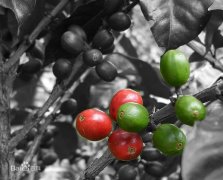
90 + Ethiopian coffee bean NistuRuz Nisuluju Ethiopian native species
Boutique coffee has a rich and beautiful taste. Even if the coffee made of boutique coffee beans is not all fine coffee, it depends on whether it gives full play to the characteristics of coffee beans, whether it has a good taste, if not, it can not be called boutique coffee. The term boutique coffee was first coined by Ms. Knudsen of the United States in Coffee and Tea magazine, when
2016-06-28 90yuan Ethiopia coffee beans NistuRuz Niesu Luzhu Yuan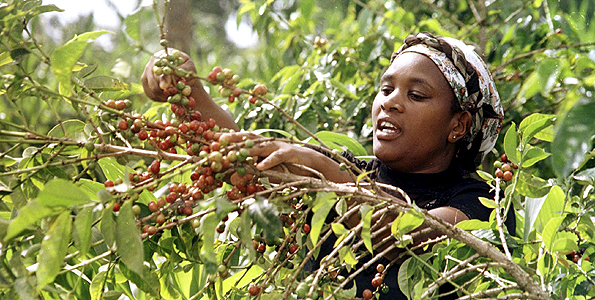
Ethiopian Sidamo Sun treatment Lion King Fine Coffee beans Ethiopian Sidama Black Coffee
The coffee flavor of Sidamo is very diverse, and the different soil types, microclimate and countless native coffee species make the coffee produced in each town have obvious differences and characteristics. In 2010-12, it won three consecutive high marks from coffee review 92 to 94, which shows the extraordinary value of raw beans in this area! Domestic horizontal
2016-03-28 Ethiopia Dharma tanning processing Lion King boutique coffee beans Yuso than
Ethiopian coffee beans, coffee beans
Ethiopia is home to Arabica coffee, and it is in the forests of the Kaffa region that you can see Arabica coffee growing wild. In Ethiopian, coffee is called Bun or Buna, and coffee beans may be translated from Kaffa Bun. Arabica coffee was discovered early in the Harar region, most likely from Karachi.
2014-12-26 boutique coffee beans common sense Ethiopia coffee profile rabbi
Flavor description of Ethiopian Coffee Manor Variety characteristics introduction of Fine Coffee beans in producing areas
A large amount of coffee production (95%) is done by small shareholders, with an average yield of 561 kg per hectare. For centuries, minority holders of Ethiopian coffee farms have been producing a variety of high-quality types of coffee. The secret of producing high-quality coffee is that coffee growers have developed environmental conditions through generations of repeated learning about the coffee planting process.
2016-10-09 Ethiopia Coffee Manor Flavor description Variety characteristics producing area Fine goods
General knowledge of Fine Coffee beans appearance and grading of Ethiopian Coffee
The grading we are talking about now refers to the grading of raw beans in the country where coffee is produced. (no matter which country coffee beans are not graded) Ethiopian coffee beans are divided into five grades. The first and second stages are reserved for washing beans with water. Grade 1 represents 0-3 raw beans and Grade 2 represents 4-12 missing beans per 300g raw beans. Grade 1 (G1) grade water washed bean pole
2015-01-26 Boutique coffee beans common sense Ethiopia coffee Xiangyu grading we now
Ethiopian native species of fine coffee varieties
Honey kiss NekisseN2 [origin]: 90 + Ethiopian Wellega (Woliga) and Sidama (Hidamo) producing areas [season]: 2013-2014 [variety]: Ethiopian native species [Level]: 12 [altitude]: 17502000m [treatment]: sun [flavor]: taste clean, multi-layered. Peaches, berries, passion fruit and cream, milk skillful
2015-01-08 Boutique Coffee Variety Ethiopia Native Honeykiss NekisseN2
Sweet and pleasant Ethiopian coffee estate producing fine coffee beans Flavor introduction
In February 1977, Lieutenant Colonel Mengistu Haile Mariam launched a military coup and served as Chairman of the Provisional Military Administrative Council and Head of State. In 1979, the Organization Committee of the Ethiopian Working People's Party, dominated by military personnel, was established to implement a one-party system. In 1984, the Ethiopian Workers 'Party was formed on the model of the Communist Party of the Soviet Union. Mengistu, September 1987
2016-09-24 sweet human ethiopian coffee estate region boutique coffee bean flavor
Ethiopian Fine Coffee recommends Yega Sheffield Fine Coffee Coffee Classification
Yirga cheffe is a small town in Ethiopia, 1700-2100 meters above sea level, and it is also synonymous with Ethiopian boutique coffee. Since ancient times, it is a wetland, the ancient saying Yega yirga means to settle down, and Sheffield cheffe means wetlands, so Yejasuefi means to let us settle down in this wetland. Strictly speaking, Yega Xuefei is Ethiopia.
2016-03-25 Ethiopia boutique coffee recommendation Yega Sheffield Category
Description of Ethiopian Coffee Flavor with Jasmine Flavor introduction to Fine Coffee Bean Manor
Local aborigines often grind the fruit of the coffee tree and knead it with animal fat to make many ball-shaped balls. These indigenous tribes use these coffee balls as precious food for soldiers who are about to go out to battle. It was not until around the 11th century that people began to use boiled coffee as a drink. In the 13th century, Ethiopian troops invaded Yemen
2016-09-23 Jasmine fragrant Ethiopia coffee flavor description producing area characteristics boutique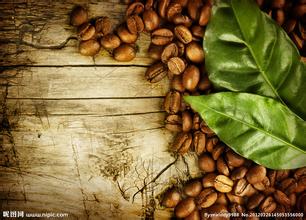
Introduction to Ethiopian Coffee Grade
Grade of Ethiopian coffee: Ethiopian washed coffee Yega Chuefei G1 G2 Sidamo (Yirgacheffe, Sidamo) has the highest grades 2 and 3 (G2, G3), while sun-processed coffee in eastern Ethiopia is mostly grade 4 or 5 (G4, G5). In many cases, level 4 coffee is marked as level 5 in order to reduce taxes. At present, the classification is not uniform and there are
2016-05-29 Ethiopia coffee grade introduction
Ethiopian Sidamo sun-treated raw beans, fine coffee, Sidamo coffee beans.
Sidamo G2, Ethiopia (Ethiopia Sidamo G2): the Sidamo producing area is located in the south of Ethiopia, extending to the districts of Arsi and Bale in the east and Gamogofa in the west. Sidamo coffee is cultivated between elevation 1400m-2000m. The main industry here is agriculture, and the main growing area of coffee is in the Great Rift Valley (Great Rift Valley).
2016-05-10 Ethiopia Dharma tanning processing raw beans boutique coffee coffee beans
Full-bodied Ethiopian Coffee Flavor introduction to the characteristics of Fine Coffee in Manor
Although the Ethiopian Yirgacheffe coffee is petite, it is gentle and delicate and sweet. As the hometown of coffee, thousands of years of planting history and processing tradition in Ethiopia have created high-quality washed Arabica beans. Light baking has unique sweet aromas of lemon, flowers and honey, soft acidity and citrus flavors, fresh and bright on the palate. No.
2016-09-06 Taste thick Ethiopia coffee flavor manor producing area characteristics boutique
Ethiopian Coffee Manor Flavor description method introduction to the characteristics of Fine Coffee in producing areas
The Jima mocha washed in Ethiopia looks very clean, but somewhat untidy, while untidiness is a nightmare of baking, which is always uneven in depth. In order to appreciate the original flavor, try not to pick too much, so as not to affect the overall taste. Because it is a new coffee bean with high water content, it needs to be roasted a little deeper and baked over low heat.
2016-10-14 Ethiopia Coffee Manor Flavor description treatment Variety producing area characteristics
Rich floral flavor of Ethiopian coffee introduction to the characteristics of fine coffee in the manor area
In February 1977, Lieutenant Colonel Mengistu Haier Maryam (MENGISTU HAILE MARIAM) launched a military coup and served as Chairman of the interim military Administrative Council and head of State. In 1979, the Ethiopian Labor people's Party Organization Committee, dominated by soldiers, was established to implement an one-party system. In 1984, the Ethiopian Workers' Party was formed according to the Soviet Communist Party model. Mengistu, September 1987
2016-08-20 Rich fragrant Ethiopian coffee flavor taste manor producing area characteristics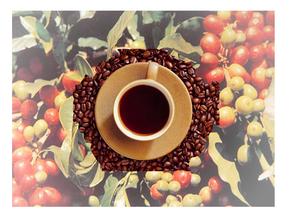
The latest introduction of fine coffee beans and Ethiopian boutique coffee
Although the Ethiopian Yirgacheffe coffee is petite, it is gentle and delicate and sweet. As the hometown of coffee, thousands of years of planting history and processing tradition in Ethiopia have created high-quality washed Arabica beans. Light baking has unique sweet aromas of lemon, flowers and honey, soft acidity and citrus flavors, fresh and bright on the palate. No.
2015-12-15 Boutique coffee beans Ethiopia coffee the latest introduction Yega
Introduction of Ethiopian Coffee Flavor and Fine Coffee
Ethiopian coffee beans grow in close to the natural environment, after years of planting under the same growth conditions, Ethiopian coffee beans have gradually adapted to the environment here. More than 60% of coffee beans are grown in forests or semi-forests. Large-scale coffee-growing villages account for about 35% of the country's total coffee production. Many of these are used.
2016-07-29 Ethiopia coffee producing area manor introduction flavor taste boutique